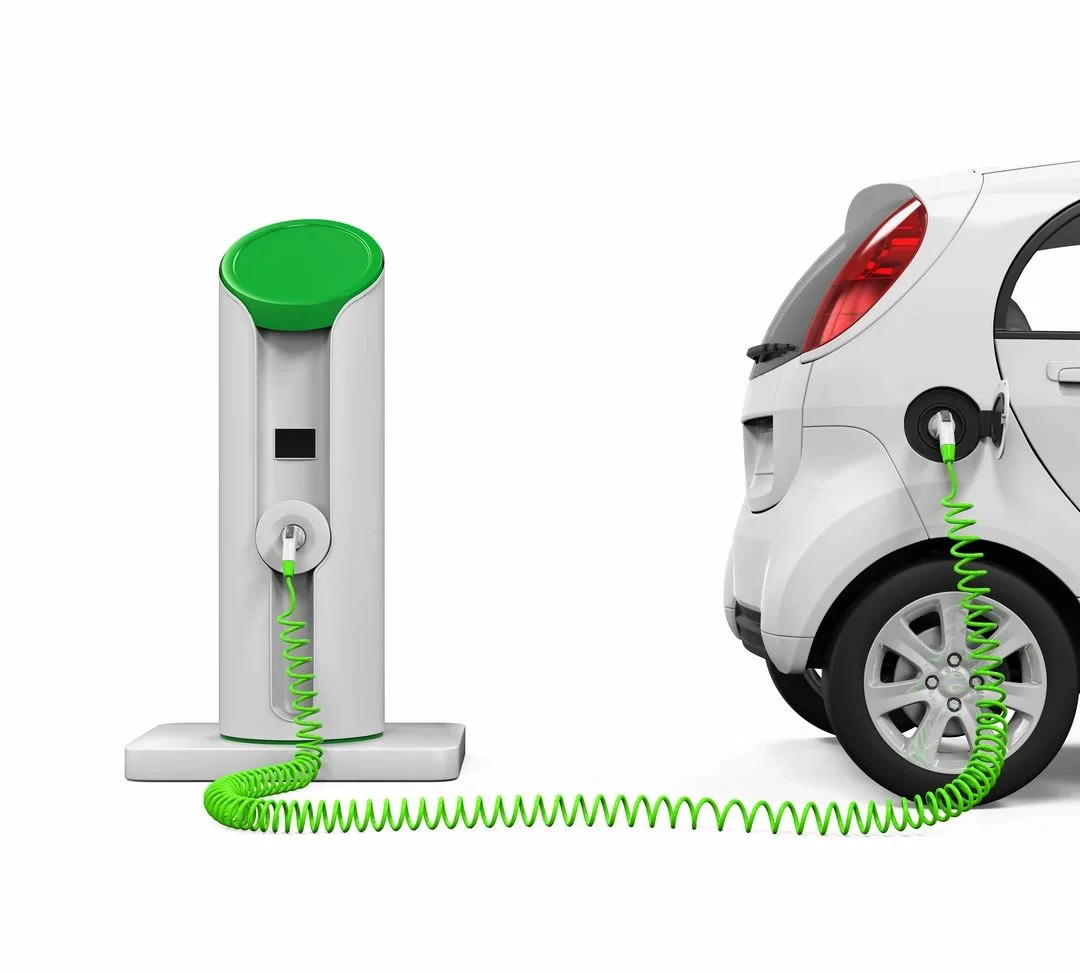
Thoughts on EV Ownership in Singapore
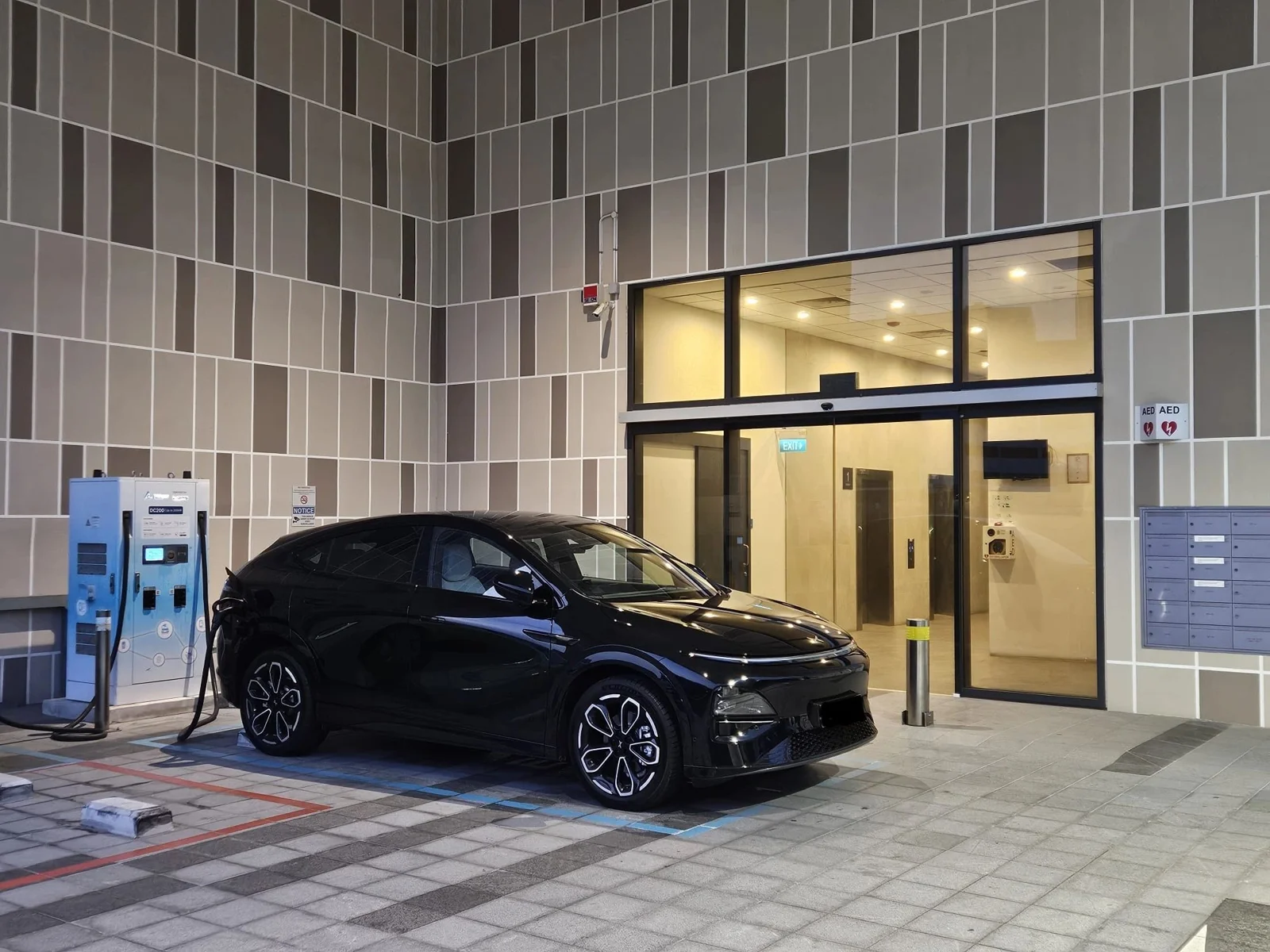
Singapore’s EV market is rapidly evolving and Chinese EV currently offer the best value for money, with impressive technological advancements and competitive pricing. However, due diligence is necessary to ensure that the chosen brand is financially stable, well-supported and aligns with long-term ownership expectations.
The authorities in regulating the influx of new EV brands is critical. While some may argue that market forces should dictate which brands succeed, the risks associated with unstable manufacturers require proactive governance. Authorities should consider measures such as financial vetting, compliance with safety standards, and ensuring robust after sales support before approving EV brands for entry into the Singapore market.
For those willing to embrace EV ownership despite these concerns, BYD, Xpeng, and Zeekr currently stand out as the top contenders. With BYD leading in warranty, servicing, and battery innovation, it is a particularly strong option for prospective buyers. Having highlighting the popular brands, another important thing to consider is the after sales service, ease of warranty claim, quality of repair job, availability of spare parts (not having to wait 1 to 2 months). These factors are important to consider as owning a car is a long term commitment. Currently, there are no records of how BYD, Zeekr and Xpeng fare in after sales and parts availability, these are the big risks early adopters have to take.
EV ownership in Singapore can be rewarding, provided that buyers make well-informed decisions and consider all relevant factors before committing to a purchase. As the market continues to grow, it is essential for both consumers and regulatory bodies to stay proactive in ensuring that the transition to EVs is smooth, reliable, and sustainable for the long term.
Problems of EV ownership in Singapore
1. The Public EV charging rates in Singapore are getting high. Charging rate is from 60 cents onwards as of Oct 2024. Initial launch of EV charging was as low as 40 cents.
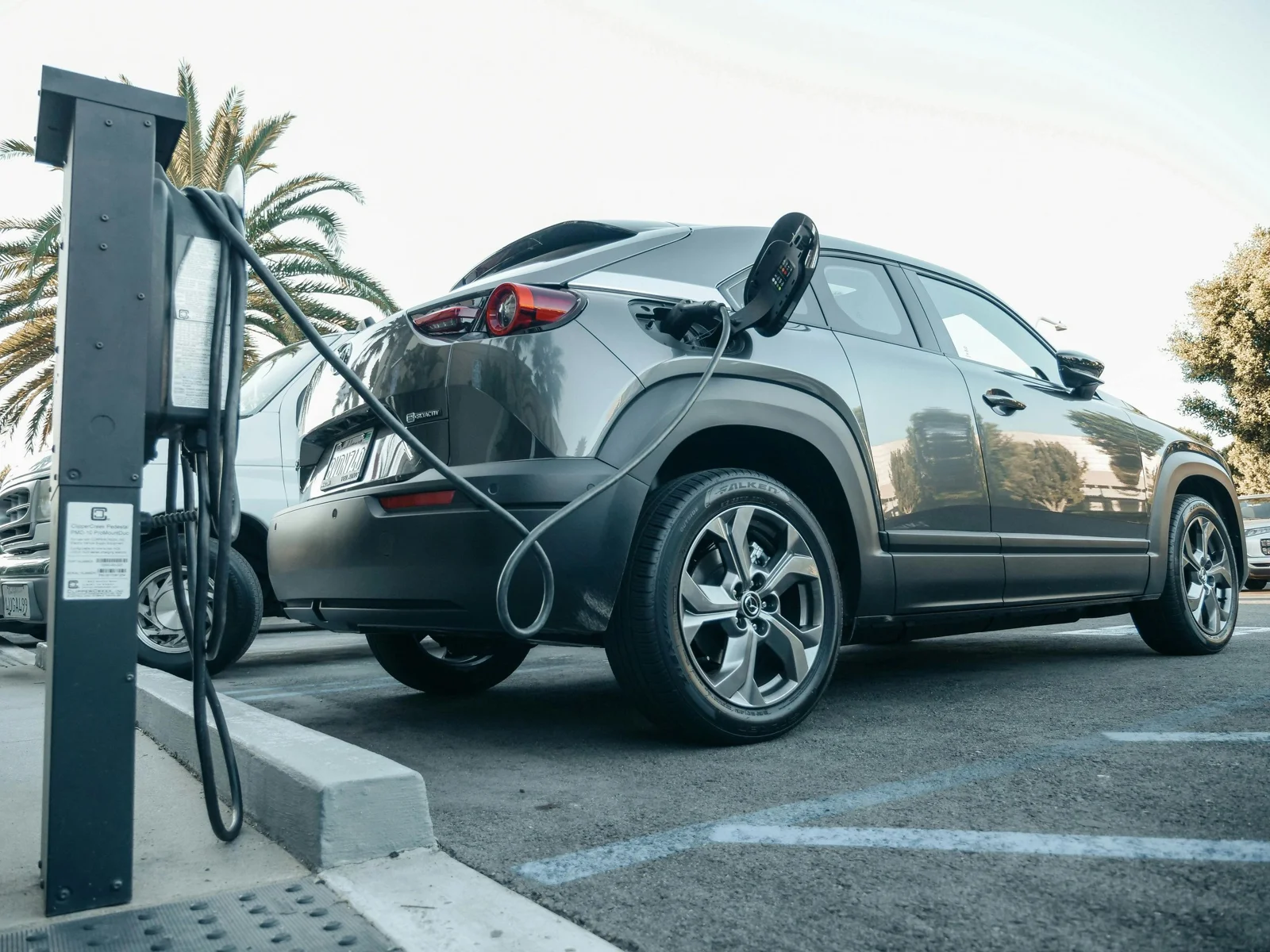
2. One of the big disadvantage of EV ownership is insufficient public chargers. Additionally, public chargers are not distributed efficiently. Popular malls have insufficient chargers especially during peak hours and weekends. This issue will be discussed separately as it is a complicated topic with many points to consider.
3. The road tax for EVs and the additional $700 AFC Additional Flat Component puts a heavy fixed expense on owning an EV in Singapore.
4. Resale value of EVs in Singapore is still uncertain. Only time will tell. Even with the cheapest EV compared to bread and butter ICE models like the Vezel or Corolla, there is still a big question mark on the resale value of EVs.
5. Most EV battery are warrantied for upto 8 years. To quell the big worry of a failed battery, warranty for batteries should just be extended to 10 years. With that, it should take care one of the worries of resale value. My question to EV companies who are offering 8 years battery warranty, "What is another 2 years of extended warranty?" However, recently, BYD has started to give 10 years warranty on their batteries. BYD Singapore is going the right direction with this popular business decision.
Long-Term Viability of EVs in Singapore
Given these considerations, the most cautious approach for EV buyers in Singapore over the next 2–10 years is to stick with established brands such as BMW, Kia, and Hyundai. These brands are more likely to remain operational and provide ongoing support compared to the many new Chinese startups. One of the biggest risks with lesser-known EV brands is the potential lack of long-term software updates and spare parts.
That said, early adopters are often willing to take the risk of trying out newer Chinese EV brands. Their mindset is geared towards embracing cutting-edge technology, despite the potential monetary loss. For this group, waiting for the market to stabilize may not be a priority.
For the majority of consumers, however, waiting might be a more prudent decision. Internal combustion engine (ICE) vehicles are still viable, and there is no urgent need to switch to EVs immediately. The global transition to EVs will take time, potentially spanning 15+ years.
A Historical Perspective: EVs vs. Plasma TVs
The adoption of EVs today can be compared to the transition from CRT TVs to Plasma and LCD TVs in the early 2000s. Initially, plasma TVs underwent multiple technological advancements (720p, 1080p, 2K, 4K, 8K), making consumers hesitant to invest in a device that could become obsolete quickly. Over time, as research and development progressed, manufacturing costs dropped, and CRT TVs eventually disappeared from the market.
Similarly, EV technology is still in a transitional phase, and we may not see widespread adoption within our lifetime. However, in the coming decades, EVs could become the dominant mode of transport for future generations.
Conclusion
EV ownership in Singapore presents a mix of challenges and opportunities. While Chinese EV brands offer competitive pricing, features, and technology, the lack of regulatory oversight raises concerns about long-term viability. Established brands provide better assurance of continued support, making them a safer choice for consumers prioritizing stability.
Ultimately, whether to adopt EV technology now or wait depends on individual risk tolerance. For those willing to embrace new technology despite potential uncertainties, Chinese EVs may be an exciting opportunity. For others, waiting until the market matures could be a more sensible approach. As things are right now, seeing countries like Norway and Finland, we are way off the mark to full electricfication. However, the transition to EVs is inevitable. How and when to make the switch remains a personal decision. It is entirely possible that EVs will not become the global standard within this lifetime—but future generations, such as our grandchildren and great-grandchildren may witness the full transition to electric mobility.