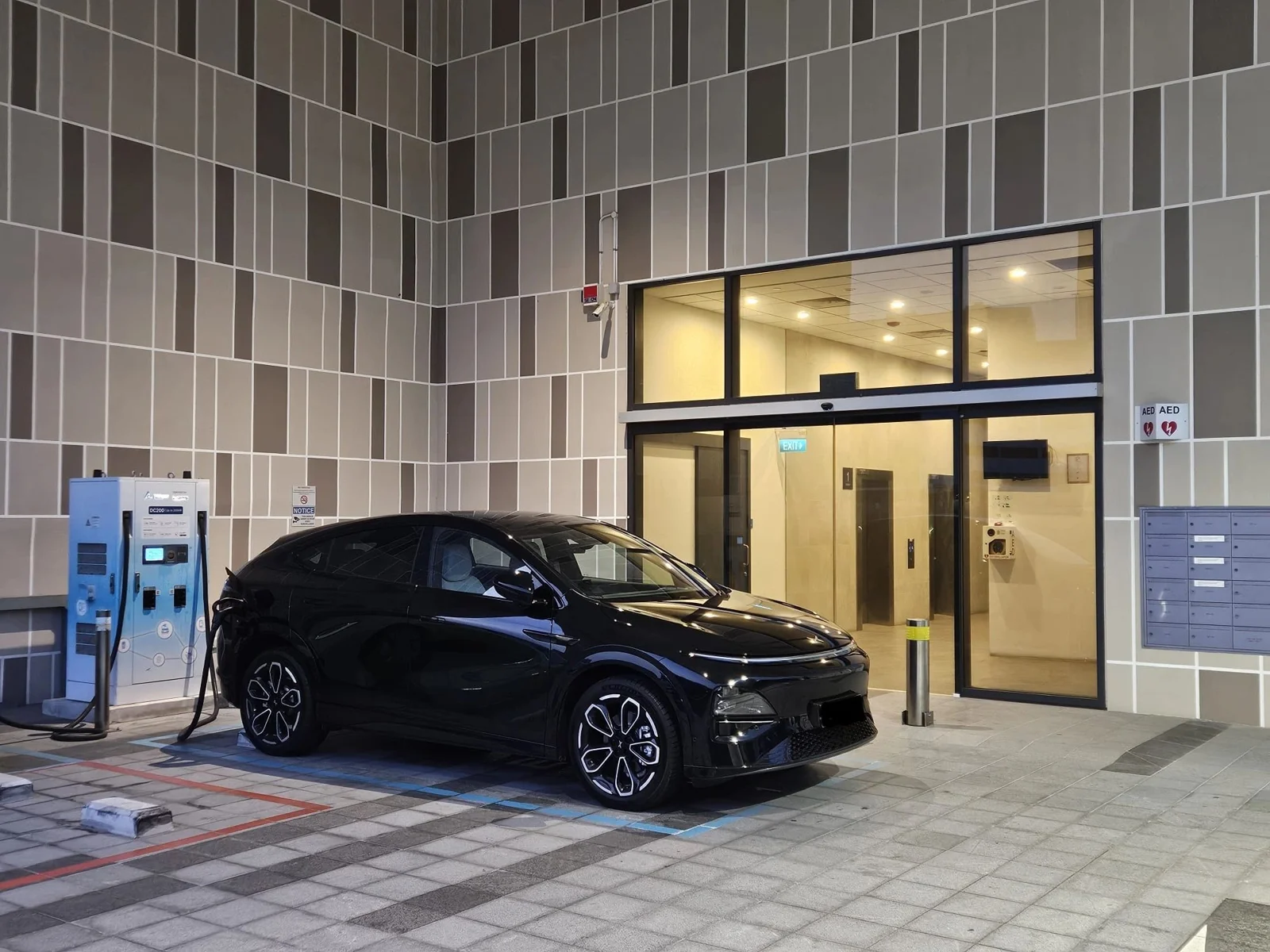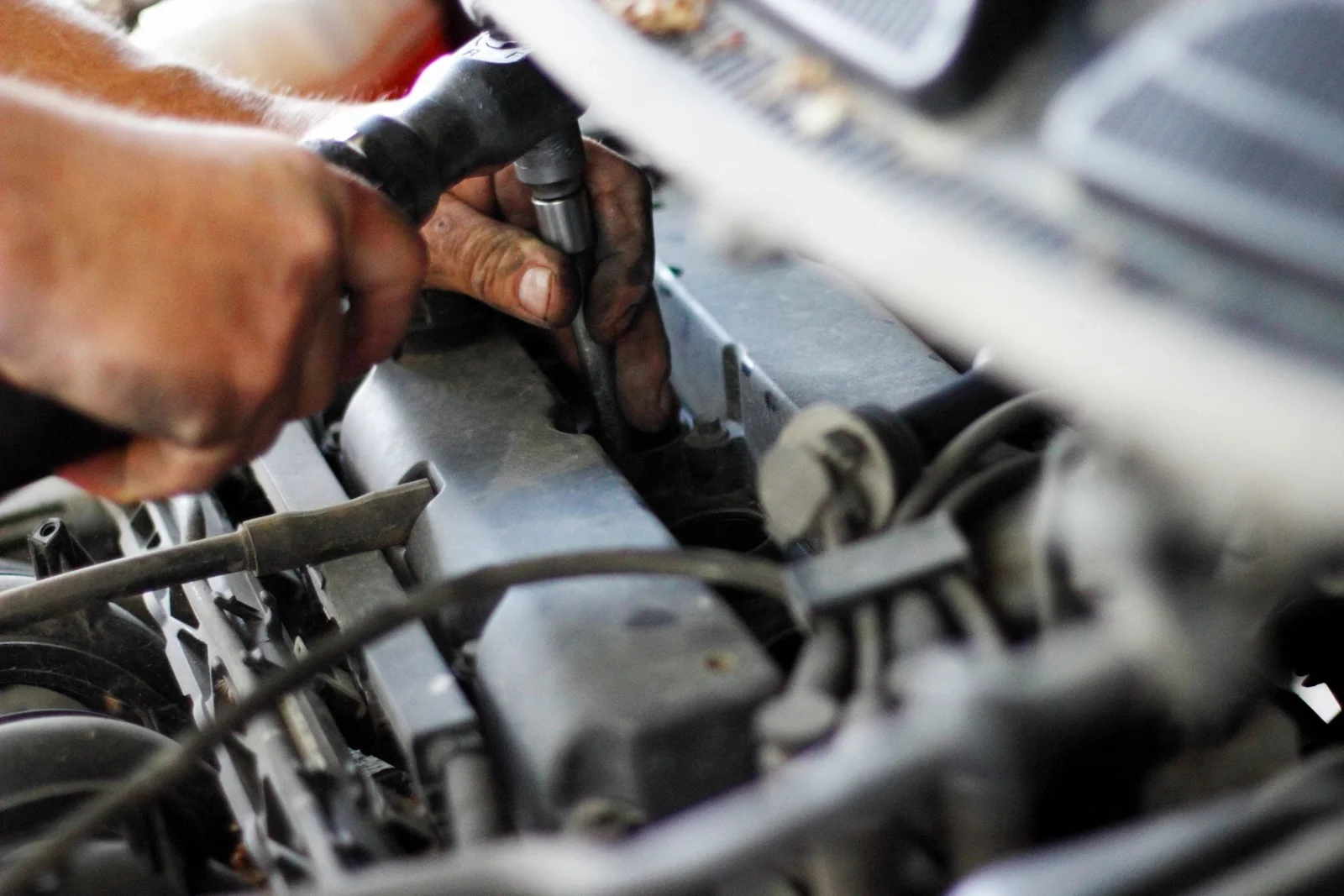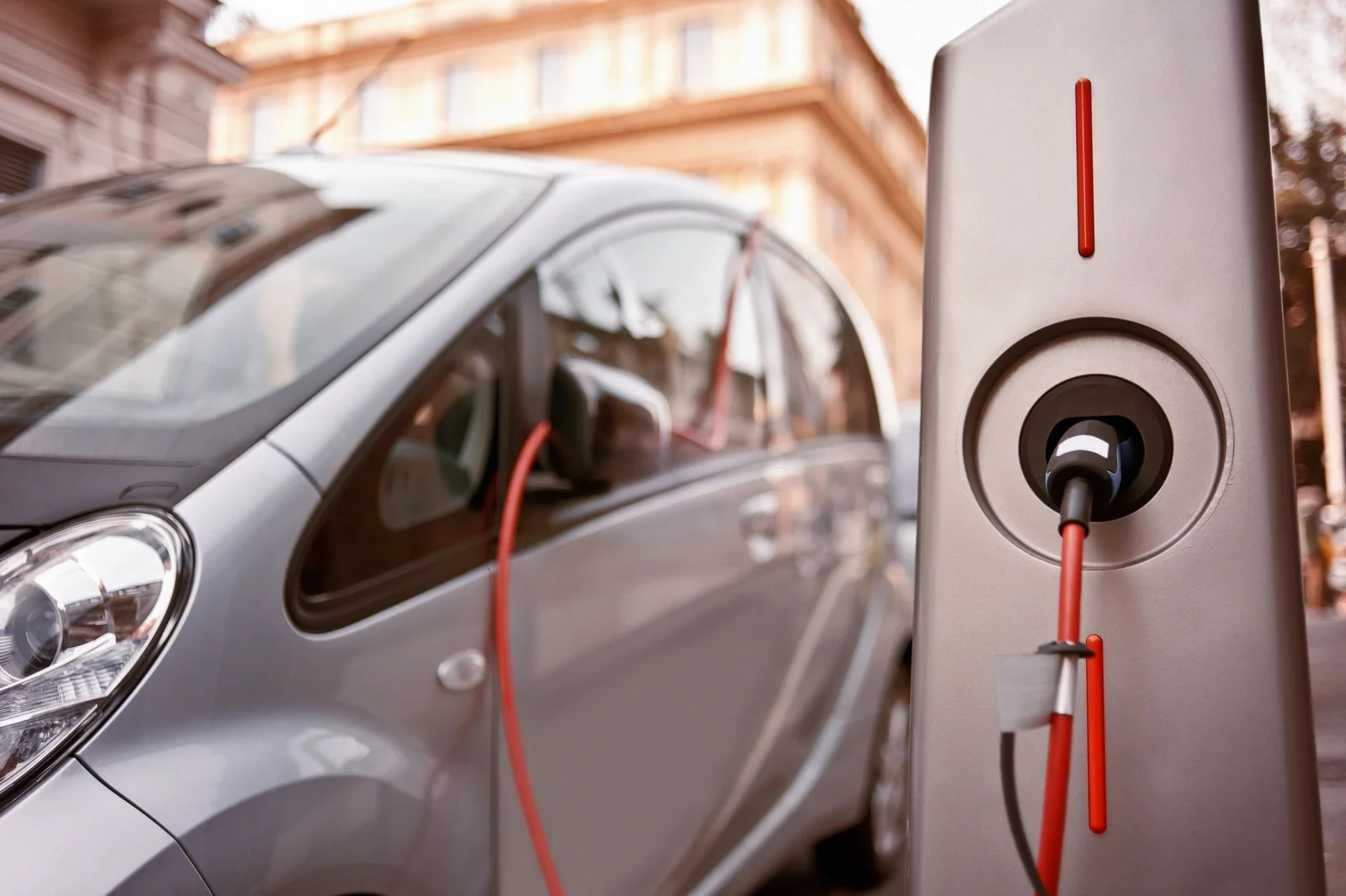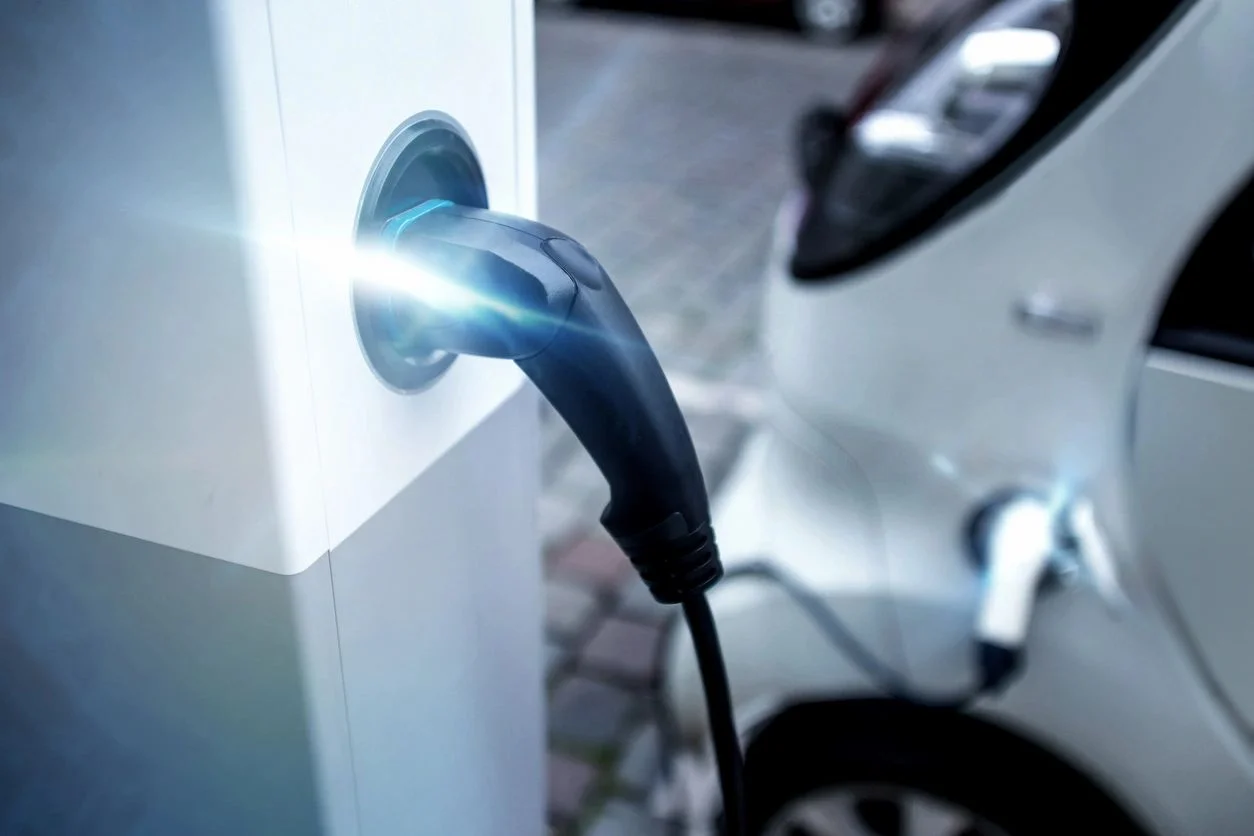
With the increasing influx of Chinese electric vehicle (EV) brands into Singapore, prospective buyers face a daunting challenge in making informed purchasing decisions. While variety is beneficial for consumers, the rapid introduction of numerous EV brands, particularly from China, raises concerns about long-term viability, resale value, aftersales support and safety compliance. One main key potential issue is the lack of stringent vetting by authorities to ensure that only financially stable and well-supported EV brands enter the market. Unstable EV companies can shut down unexpectedly, leaving owners stranded without access to parts, servicing or resale value. A proactive regulatory approach would mitigate these risks and protect consumers from potential pitfalls.
Despite these challenges, for those who remain interested in EV ownership in Singapore. As of February 2025, the top three leading Chinese EV brands to consider are: BYD, Xpeng and Zeekr. This conclusion is based on an independent evaluation of value, features, technology and style. Compared to their continental counterparts, which are often overpriced and feature-deficient. Korean EVs which have average offerings with quirky designs. Chinese EVs currently offer the best combination of affordability and cutting-edge technology.
Key Considerations When Shopping for an EV in Singapore (As of February 2025)
1. Financial Stability of the EV Company
A critical factor in selecting an EV brand is the financial health of the manufacturer. Brands that are financially unstable pose a risk to long-term ownership, as they may close down, leading to difficulties in obtaining parts, servicing and resale opportunities. Researching the company's market presence, financial reports and global expansion strategy can provide insight into its sustainability.
2. Additional Registration Fee (ARF) Value and AFC Annual Tax of $700
The ARF is an important cost consideration when purchasing an EV in Singapore. It significantly impacts the total cost of ownership, road tax and eventual resale value. Understanding how ARF is calculated and how it applies to your chosen EV model can help with financial planning. A low ARF lowers initial cost outlay, a high ARF means paying loan interest on the high ARF. So it depends how a buyer view this. The annual Additional Flat Component (AFC $700) however fancy name the authority want to name it, is an additional annual fixed cost payable together when your annual road tax is up for renewing. This is to make up for the tax loss in petrol usage. No idea how they came out with that magic number. Drivers who clock lower annual mileage will be scratching their head why they are paying the same for a high mileage driver. Called it lazy or efficient planning, whichever works for you.
3. Common Types of EV Batteries: NMC vs. LFP
- Nickel Manganese Cobalt (NMC): Used by most brands, this battery type requires careful charging habits, typically keeping the charge between 20% and 80% to maintain longevity.
- Lithium Iron Phosphate (LFP): BYD’s Blade Battery technology and the lower-powered Tesla Model 3 utilize LFP and 2026 Xpeng G6, which allows for charging up to 100% without compromising battery health. LFP batteries also offer greater safety and better heat tolerance but have lower energy density, meaning they may require more efficient motors to achieve claimed mileage or a larger capacity battery
4. Battery Warranty
- Some brands provide 8-year warranty.
- BYD offers a 10-year battery warranty, making it a leading choice in terms of long-term reliability. Most other Chinese brands are starting to offer 10 years battery warranty which is a positive game changing direction for EV cars in Singapore. Please confirm with respective agents on warranty.
5. Car Warranty
- Most brands provide 5-year warranty.
- BYD stands out with a 6-year warranty. Please confirm with respective agents on warranty.
6. Free Servicing
- Most brands offer between 5 to 6 years of free servicing. Please confirm with respective agents on servicing details.
7. Essential & Future-Proofing Features: Auto Parking & 360-Degree Camera
- Auto Parking : Given Singapore’s tight parking spaces, an auto-parking feature is crucial for added convenience. This features improve usability and help maintain resale value.
- A 360-degree camera provides enhanced visibility, preventing minor accidents when maneuvering in confined spaces.
- Adaptive Cruise Control and Autopilot: Enhances driving convenience and adds long-term value.
- A good App : Make sure the brand has a good full feature app. Minimally, it should at least have the capabilities of BYD SL7 or Xpeng G6. Quite a few Conti EV brands do not have a full feature app. Do not assume, make sure you check the app with the salesperson when car shopping.
8. Charging Port Placement: Rear vs Front
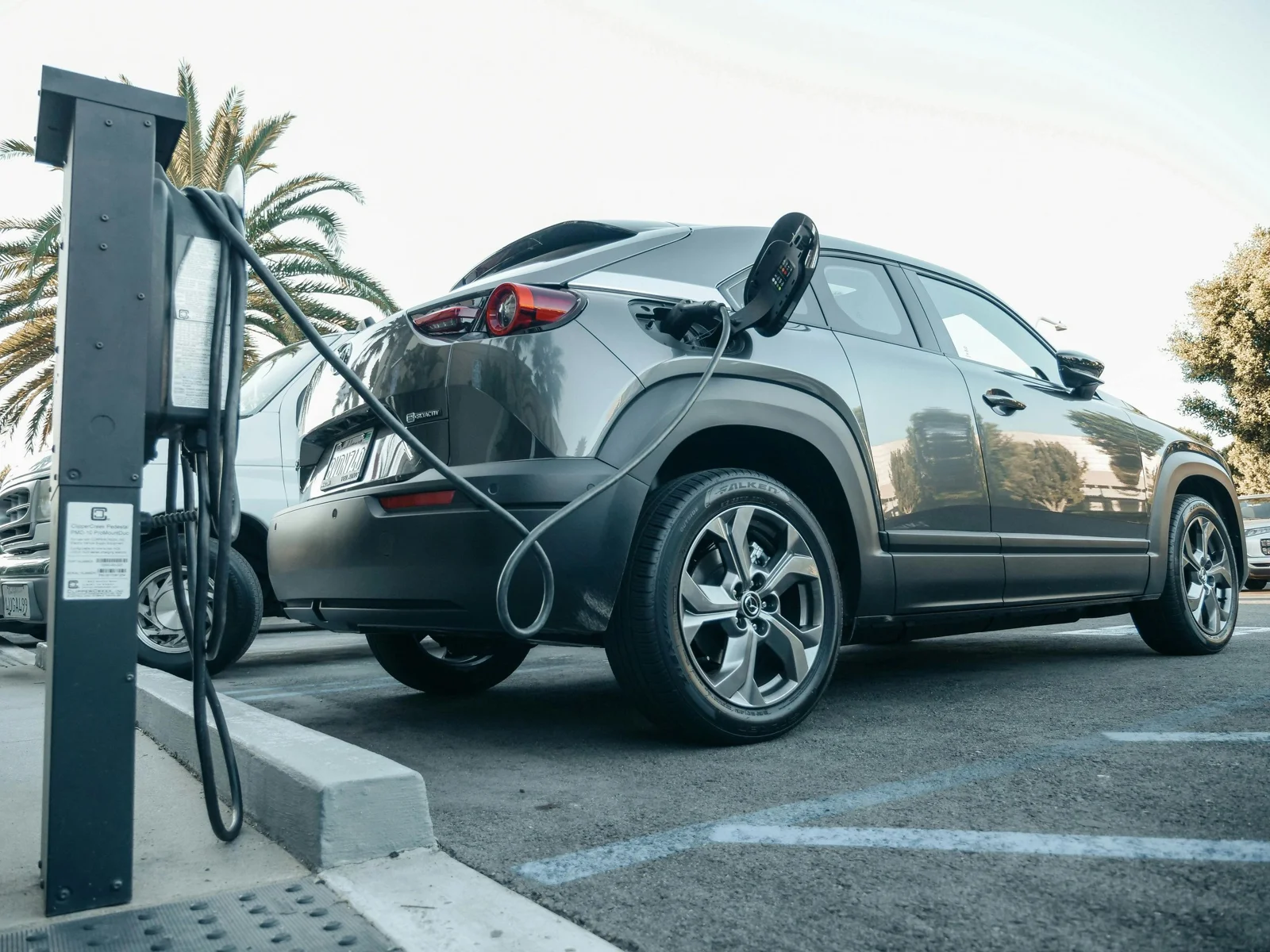
- Rear charging ports are highly recommended for Singapore’s parking infrastructure.
- Front charging ports can be problematic, as they require head-in parking, which is often difficult in tight parking spaces in Singapore, illustrating the inconvenience such designs can cause.
- Another disadvantage of front charging ports is the collection of road dirt and grime on charging port area. Front side charging port will not face this problem.
9. Regenerative Braking System and Accelerator Sensitivity
- Ensure the regenerative braking system offers multiple levels of adjustment and the ability to toggle on/off.
- During your test drive, check if the regenerative braking is comfortable and adjustable for your driving style. Otherwise it will be an uncomfortable head jerking experience especially for your passengers.
- Important note when regenerative braking is activated and the effect cannot be adjusted. Hence care must be taken going down a slope on a wet and slippery day.
- One common complain about EV is the sensitivity of the accelerator, some will be too jerky or need a heavy foot for initial start.
- Next common complaint about EV is grabby brakes. Do a thorough test drive to get a feel of brakes especially during slow drive.
10. Charging Capabilities
- Recommended Minimum AC charging speed: 11kW
- Recommended Minimum DC charging speed: 120kW
- These specifications are current as of January 2025, but battery technology is evolving rapidly. Future advancements, such as solid-state batteries (SSD) capable of 5-minute charging at 600kW+, could redefine EV infrastructure.
11. Driving Range (WLTP)
- A minimum range of 450km to 500km WLTP is recommended. Correct as at January 2026
- Keeping within the 20%–80% charge limit effectively reduces usable battery capacity to 60%, meaning a 500km range equates to approximately 300km of real-world driving. Buyers must assess if this range meets their daily needs.